
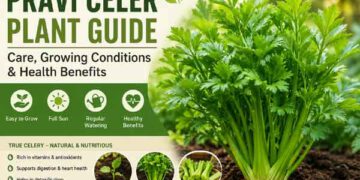

































There’s something incredibly magical about cultivating the own variety of celery. The first time I tried to start an entire crop of Pravi Celer from seeds I was doubtful. The tiny seeds, that long growing window, the finicky water requirements. However, when those fresh sweet, aromatic stalks finally came together in the late autumn, I was in love. No matter if you’re a veteran vegetable gardener or just starting to get started with this guide provides everything needed to plant Pravi Celer in a confident manner.
Similar to the beautiful Asiatic Lily, Pravi Celer will reward gardeners who are patient with spectacular results. It’s all it takes is a bit of patience and knowledge to reach. This guide will guide you through each step, so let’s get into.
What Is Pravi Celer?
Pravi Celer is the Bosnian/Croatian term used to describe authentic celery which differentiates the traditional cultivated species from its more wild, decorative cousins. The word literally means “real” or “true” celery. And that’s precisely what it is: a genuine, time-honored plant that has been cultivated throughout European garden plots and Mediterranean food plots over a century.
The botanistically speaking, Pravi Celer is classified as Apium graveolens which is a biennial species within the Apiaceae (carrot) family. The is known as graveolens is “heavy-scented” in Latin. If you’ve ever smashed an entire celery leaf with the fingers of your hands, then you’ll know the reason. The intense, fragrant fresh green scent can only be described as all Pravi Celer.
Although modern market celery (Apium graveolens var. dulce) is bred to produce thin, pale, mild-tasting stalks Pravi Celer as its traditional form is much more sturdy. It has a stronger flavor as well as more aromatic. It is usually grown for the entire plant, which includes stalks, leaves as well as seeds and roots alike.
Read More – Yalla Choy
Pravi Celer Plant Characteristics
Before you begin growing it’s important to know the plant you’re working on. Pravi Celer is a distinctive plant. Pravi Celer plants has a distinct appearance as well as a presence within the gardens.
Size and Appearance At the time of maturity, Pravi Celer typically reaches 60-90 centimeters (2-3 feet) tall. Its stalks have ribs medium to pale green and upright. They have pinnate leaves finely divided, similar to flat-leaf parsley. It is they are a rich shiny green. The second year is when it will bolt if left unattended it will grow high umbels that draw beneficial insects.
Taste and Smell: This is where Pravi Celer really shines. Its flavor is more intense with more depth than store-bought celery. It’s mildly bitter, extremely aromatic. The leaves pack the biggest flavour and are popular for their use in Balkan or Central European cooking. The seeds impart a concentrated similar to a spiced version of that flavor.
Growth Seasons Pravi Celer is a cool-season crop that is most productive in the spring and fall. It has a difficult time with summer heat, which could cause bolting. In warmer climates, it is able to overwinter on the ground.
How to Grow Pravi Celer: A Complete Growing Guide
The process of growing Pravi Celer from the seed to the harvest is among the most rewarding gardening tasks you can undertake. Here’s all you need to be aware of to ensure the best season.
Soil Requirements
Pravi Celer demands rich and moist soil which drains well but it never completely dry out. It’s not the most forgiving plant in dry times. You should aim for a pH range of 6.0 and 7.0 and incorporate lots of compost or manure into your beds prior to planting. The soil that is heavy clay must be lightened by organic matter and sand in order to avoid the water from logging.
Soil Quick Reference pH 6.0-7.0 | Texture: Loamy, water-retentive | Amendment: A rich compost or aged manure. Drainage: Excellent but always wet
Sunlight Needs
Pravi Celer grows best in full sunshine to partially shade. It is a fan of six to eight hours of direct sun every day however even in the hottest climates shade in the afternoon could actually stop the plant from staking out early. If you’re in a warm climate place your celery in a spot that gets morning sunlight and a bit of shade in the hottest hours in the day.
Watering Schedule
The need for constant moisture is not a requirement of this plant. Pravi Celer has roots that are shallow and quickly wilts when stressed by drought. It is recommended to water deeply every week, and more frequently in warm or dry spells. Mulching the bottom of the plants is extremely beneficial as it holds in moisture and regulates the temperature of the soil and reduces weeds all quickly.
Tips for Pros: Place your fingers 2″ deep into the soil at the bottom of your cactus. If it’s dry at this depth is it time to soak it in water. Do not just wait for the leaves to drop – by the time they do stress will already be setting in.
Temperature and Climate
Pravi Celer can be described as a cool weather champion. It is most productive between 15-21 degrees Celsius (60-70degF) and is more vigorously when temperatures remain below 25 degrees Celsius (77degF). It is tolerant of moderate frosts that actually enhance the taste of the stalks. Do not plant it during the hot summer days – that’s the perfect recipe for bolting.
Container vs. Garden Growing
For the gardens: Space plants 20-25 cm (8-10 inches) apart in rows that are 45 centimeters (18 inches) from each other. This allows for ample airflow as well as space for root systems.
in containers It is true that Pravi celer is able to be grown inside pots, make sure to choose a container that is deep (at minimum 30cm / 12 inches in depth) and make sure to water it more often than the plants you grow in ground. A container that is drying out quickly is celery’s biggest adversary.
If you love cultivating unique plants, you’ll probably enjoy the guide to plant in your outdoor area A different plant that will reward commitment with authentic nature.
Pravi Celer Care Tips
After your celery has grown and the garden is in full swing, it’s time to get started. The following Pravi Celer maintenance guidelines will help keep your plants healthy from seedlings until harvest.
Fertilizing Guide
Celery is a very heavy feeder. Begin with a soil that is well-adjusted Then, add an appropriate liquid fertilizer every two weeks during the season of growth. The most important factor is nitrogen in the beginning (for the growth of leaves) but potassium is more crucial as the stalks grow. Beware of fertilizing too much with nitrogen later in the season as it may result in beautiful leaves but be and weak stalks.
Pruning and Harvesting
The harvesting process can begin on the outer stalks after the plant has reached 30 centimeters (12 inches) tall. Simply cut or snap off the stalks at the base while leaving the inner stalks to grow. They can also be picked all year round as they’re the most fragrant portion of the plant, and ideal for soups and stocks. To harvest a full head chop the entire plant down to the soil’s surface.
Common Pests and Diseases
- Aphids Be sure to check the leaf’s undersides frequently. A strong stream of water or a spray of neem oil will take care of most pests.
- The miner of celery leaves: The larvae tunnel into leaves. Take off affected leaves immediately and use row covers for protection.
- Blight early (Cercospora): Shows as small brown patches on leaf surfaces. An airflow that is clean and free of excessive watering from overhead reduces the risk.
- Fusarium Wilt: Causes yellowing and wiping. Make sure to rotate your celery beds every two years to prevent accumulation of soil.
Common Growing Mistakes
- Planting seeds too late – ensure you have minimum 10 to 12 weeks to the date of last frost.
- Letting the soil dry out at least once (recovery isn’t quick and flavor is impacted)
- It is important to avoid mulch (it can make a huge difference in the retention of moisture)
- Planting in shade heavy The celery needs a lot of light to develop strong, tasty stalks
- If you harvest the entire plant too early, patience pays off with a better taste
Pravi Celer Uses and Benefits
This plant will earn its garden space many times over. Every aspect in the Pravi Celer plant is useful and its health-related credentials are impressive.
Culinary Applications: In Balkan and Central European cooking, Pravi Celer is a staple in the kitchen. The stalks are added to stews, soups, and broths. The leaves add flavor to stock and can be utilized as fresh herbs. The seeds are utilized as a spice. A small amount in cheese, bread spreads, or pickles provides an unmistakable flavor. This variety (celeriac) is cooked, puréed, or consumed fresh in salads.
The health advantages of HTML0: Celery is impressively high in nutrient density for the amount of calories. The vegetable is rich in Vitamin K (important for blood clotting and bone health) as well as vitamin C, folate and potassium. It’s also a great source of fiber in the diet which aids in digestion. The high amount of water content allows it to be naturally hydrating.
medicinal properties: The traditional herbal remedy throughout Europe has always praised celery’s diuretic properties as well as its contribution to lowering blood pressure, and for its anti-inflammatory components (including the apigenin and luteolin). Although modern science is still investigating the effects of these compounds, there’s a good reason why this plant has been utilized for medicinal purposes for more than three thousand years.
Follow – https://healthhuff.com for More Updates